Two parts on the roof, two quotes
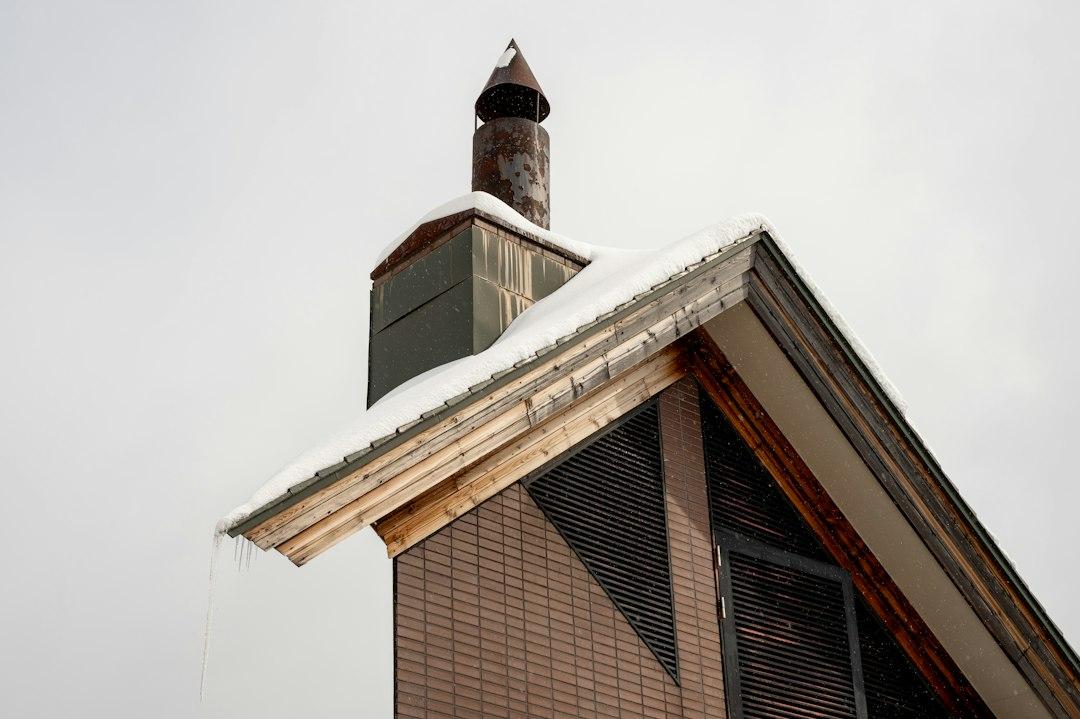
On a factory-built fireplace, the thing you see sticking out of the roof is not a chimney in the masonry sense. It is a box, framed in wood and covered in siding or stucco to match the house, with a metal pipe running up the middle of it. Two pieces close off the top. The chase top is a sheet metal pan over the box. The termination cap sits on the pipe where it comes up through that pan. Neither has a price on our list, and the reasons say a lot about how these jobs go in Carson.
The cap: quoted after we measure
The termination cap is a listed part. The maker of the fireplace tested its pipe with its own cap, and the cap that goes back on should be that maker's cap or one listed for that pipe. Fitted, a cap is quoted after we measure. Your price depends on the pipe, the model and whether the house needs a tighter spark screen.
What sets the cap price:
- Pipe size and make. Factory pipes come in several inner and outer diameters. Some caps are common and on the shelf, others have to be ordered.
- Screen. Whether the cap carries a built-in spark screen, and whether the screen on the old cap is torn or packed with soot.
- Shape. Round tops, square tops, and decorative shrouds over several pipes. Shrouds cost more, and some need their own listing.
- Access. A single-storey Carson tract roof at an ordinary pitch is the simplest job. A two-storey house with a steep tile roof takes more time and gear.
Our cap installation page lists the work in more detail.
The chase top: quoted in writing
The chase top has no list price because no two are alike. Builders in the seventies and eighties often used galvanized pans cut on site. They hold for a while, then the zinc wears thin, the steel rusts, and the low spot in the middle starts holding a puddle. On a lot of Carson houses we find the original pan dished in, a rust ring around the pipe and a brown stain running down the siding below.
A replacement is bent to the measured size of the chase, with a raised collar where the pipe passes through, and pitched so rain runs off instead of sitting. Material is the first decision: galvanized again, or stainless or aluminum, which will not rust the same way. Size, material, the number of pipes through it, and whether the framing under it has rotted decide the figure. We write it after measuring.
Signs you need one or both
You usually do not need a ladder to see that something is wrong up there.
- Brown streaks running down the chase siding from the top.
- Rust or water in the firebox, or a damper that has rusted in place.
- A metallic tapping or drumming when it rains.
- Twigs, feathers or nesting material dropping into the firebox.
- A cap that has blown loose or sits crooked after a Santa Ana wind.
Each of these can also mean a failing storm collar, a split in the chase siding, or worn flashing where the chase meets the roof. The visit checks all of them, not only the part that looks worst.
What decides your price
Before we can put figures on paper we need five things: the fireplace make and model from the data plate, the pipe size, the chase dimensions, the material you want for the top, and the state of the wood under it. Most of those come from one trip onto the roof.
If the cap is the only thing wrong, the visit is short, and the cap is quoted on site. If the top or the framing is in question, we measure first.
Tell us in the form what you see on the chase: streaks, rust, a loose cap, water in the firebox. We may ask for a photo when we call back, and then we book the visit.
When it is more than the top
Sometimes a rusted top has been leaking for years. Water runs down inside the chase, soaks the framing and the insulation, and reaches the ceiling or the wall beside the fireplace. Then the job grows to include siding, sheathing and studs. Finding the leak and fixing it runs $525 to $3,150 on our list, depending on where the water gets in and how far it has gone. Where the chase sits on a slope with roof running into its uphill face, a small cricket may be needed to split the water around it. That is $420 to $945 on its own, or $630 to $1,600 when the flashing around the chase is renewed in the same job.
We set these out as separate lines on the quote, so you can see which part solves which problem. Our chase cover page and our leak repair page explain each one.
Why not a hardware store cap
A generic cap clamped onto a factory pipe looks fine from the street. It is still a part that was never tested with that fireplace. The listing assumes the maker's termination, its clearances and its draft. Change it and you change the system the listing covers, and a buyer's inspector or an insurer reading the report will spot the mismatch. That is why our quote names the cap by model.
Getting it booked in Carson
We go onto roofs for chase tops and caps in Carson, Gardena, Long Beach and Bellflower. If you are selling, the cap and the top are among the first things a buyer's report looks at, so read our post on prefab fireplaces in a home sale. For anything else, head to the contact page and say which of the signs above you have noticed.
Rather Hand the Fireplace to Us?
Hamlin Chimney Services reads the data plate, checks panels, damper, pipe and chase cover against that model, and prices any part in writing. Book from Carson, Gardena, Long Beach or Bellflower.